

2 Kings 22:8-20
Psalm 27
1 Corinthians 2
Matthew 5:13-20
What Is Substitutionary Atonement, and Why Is It Controversial?

What is substitutionary atonement, and why does it sometimes generate controversy among Christians today? This edition of Ask the Church explores the biblical meaning of Christ bearing our sins and clarifies common misunderstandings that portray the doctrine unfairly. We also learn how substitutionary atonement fits alongside other biblical images of salvation, rather than replacing them.
Fourth Sunday of Epiphany
Psalm 37:1-11
1 Corinthians 1:18-31
Matthew 5:1-12
Who Is Satan, and How Does He Tempt Us?

Who is Satan, and how does he tempt human beings? In this edition of Ask the Church, we explore a biblical understanding of Satan, emphasizing both the reality and the limits of his power. We learn how temptation most often works through deception rather than coercion, and why Christians need not live in fear.
Third Sunday of Epiphany
Amos 3:1-11
Psalm 139:1-18
1 Corinthians 1:10-17
Matthew 4:12-22
What Does It Mean to Be Made in the Image of God?

What does it mean to be made in the image of God? This edition of Ask the Church explores the biblical teaching that human dignity flows from God’s creative purpose, not from our abilities or achievements. The image of God is expressed through our relationships and responsibilities as we seek to faithfully represent God in the world.
A Kingdom of Priests: John’s Gospel and the Story of Exodus
In this special Sunday School lesson, we explore the Gospel of John as a retelling of the Exodus story. Tracing themes of deliverance, worship, living water, and new creation helps illuminate how John presents Jesus as the one who forms God’s people as His children. The discussion moves toward a reflection on the Church as a kingdom of priests, with forgiveness at the heart of Christian vocation, inviting us to read Scripture more attentively and to consider how these themes shape both faith and daily life.
Second Sunday of Epiphany
Exodus 12:21-28
Psalm 40:1-10
1 Corinthians 1:1-9
John 1:29-42
What Are the Creeds and Why Should We Say Them?

What are the Creeds, and why do Christians continue to say them week after week? This edition of Ask the Church introduces the Nicene, Apostles’, and Athanasian Creeds, explaining their origins, purposes, and place in Christian worship. We also address a common concern: what should we do when reciting the Creeds begins to feel rote rather than heartfelt? Listen to learn how the Creeds summarize the gospel, guard our faith, and unite Christians across all ages.
First Sunday of Epiphany
Isaiah 42:1-9
Psalm 89:20-29
Acts 10:34-38
Matthew 3:13-17
Why Do Anglicans Baptize Babies?

Why do Anglicans baptize babies while some other Christian traditions do not? In this edition of Ask the Church, we explore how these differences flow from an understanding about the nature of baptism itself—whether it is primarily a human symbol or a sacramental action of God. Drawing on Scripture and biblical parallels with circumcision, we see that infants are included in the covenant while still being called to grow into faith and obedience.
Second Sunday of Christmas
Jeremiah 31:7-14
Psalm 84
Ephesians 1:3-14
Luke 2:41-52
What Is the Feast of the Epiphany?

What is the Feast of the Epiphany, and why do Christians celebrate it on January 6? On this edition of Ask the Church, we learn how Epiphany marks the revelation of God in Jesus Christ—especially to the Gentiles—and why it has been celebrated since the earliest centuries of the Church. We also discover how Epiphany opens the season of Ordinary Time, inviting Christians to reflect on how God’s self-revelation transforms everyday life. Listen in and join us in discovering why this ancient feast still matters today.
First Sunday of Christmas
Isaiah 61:10-62:5
Psalm 147:12-20
Galatians 3:23-4:7
John 1:1-18
Christmas Day
Isaiah 62:6-12
Psalm 97
Titus 3:4-7
Luke 2:6-20
Christmas Eve
Isaiah 9:1-7
Psalm 96
Titus 2:11-14
Luke 2:1-20
Fourth Sunday in Advent
Isaiah 7:10-17
Psalm 24
Romans 1:1-7
Matthew 1:18-25
A Christian Perspective on Death, Part 3

In this third session on death and dying, we explore the Bible’s foundational teaching on what death is—and what it is not. Drawing from Jesus’ declaration that God is “not the God of the dead, but of the living” (Mt 22:32; Mk 12.27; Lk 20:38), and from Paul’s teachings on the resurrection, this lesson examines the relationship between body, soul, and eternal life. Far from viewing death as the end of life, we learn how Scripture presents death as a transition that draws us further into a closer relationship with God. This session seeks to offer a clear, hope-filled Christian vision of death, rooted in faith in the resurrection of Jesus Christ.
Why Did God Become Man?
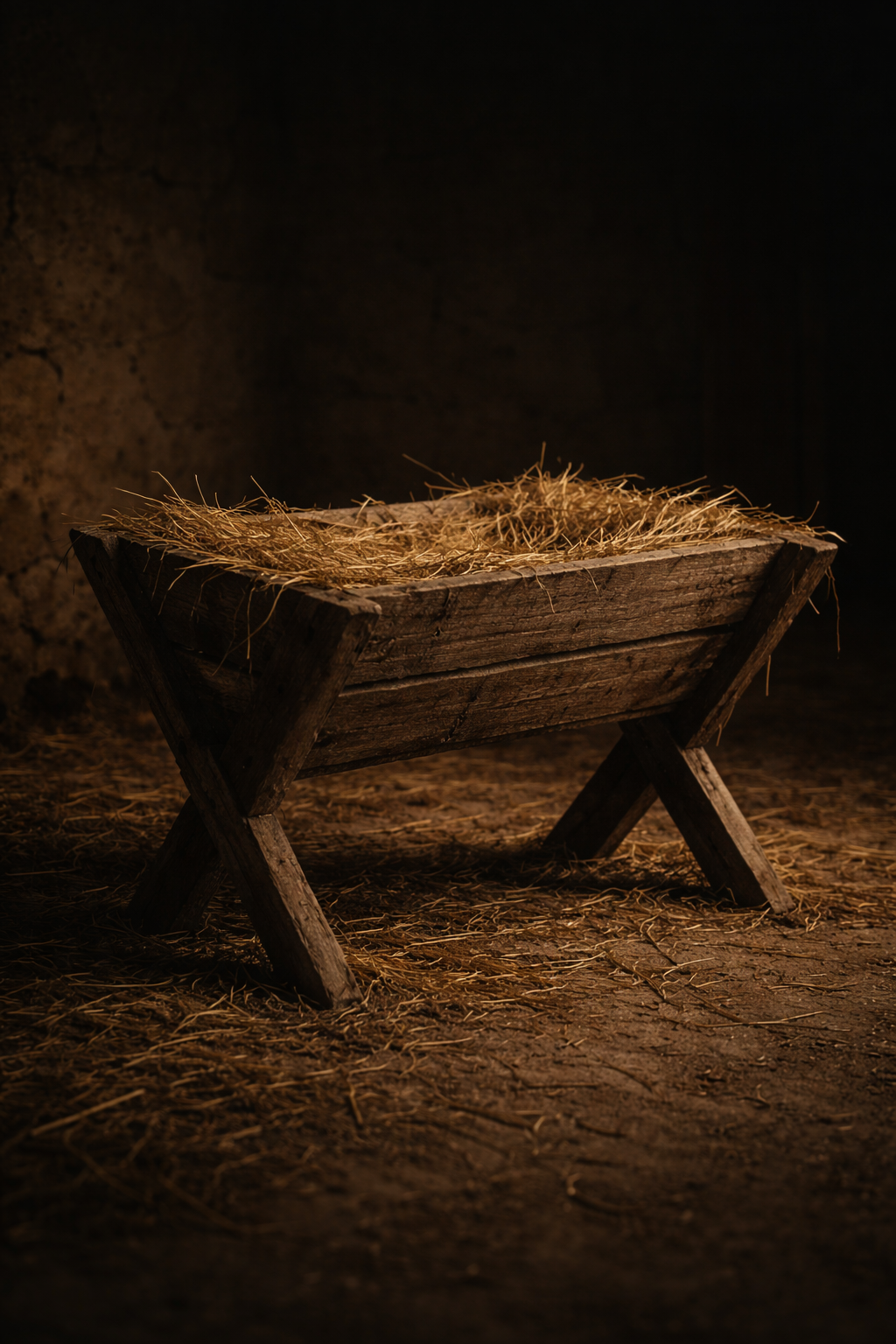
Why did God become man? In this edition of Ask the Church, we explore the Christian teaching that the Incarnation is about far more than Christ’s death on the cross. Drawing from Ephesians 1, we see how Jesus’s entire life replays and renews human history on our behalf, uniting heaven and earth in Himself. Join us to learn how the Incarnation reveals God’s plan to remake humanity through Christ’s life, death, resurrection, and ascension.
Third Sunday in Advent
Isaiah 35
Psalm 146
James 5:7-20
Matthew 11:2-19