

In this third lesson, we apply the Early Church’s fourfold approach to the Book of Job. Beginning with its place in Israel’s wisdom literature, our lesson explores how the story addresses suffering, justice, and the freedom to question God in faith. Reading Job in light of Christ reveals deeper patterns of faithful suffering, mediation, and vindication. The session concludes by considering how these themes shape Christian hope and perseverance.
Why Is Communion Every Week?

Why do some churches celebrate Communion every week while others do it much less frequently? In this edition of Ask the Church, we explore how our church’s understanding of the Eucharist shapes how often it is celebrated. The discussion centers on the idea of the “means of grace”—the ways God has promised to give His grace through the proclamation of Scripture and the celebration of the sacraments. Understanding the Lord’s Supper in this way helps explain why many churches (including ours!) celebrate it more regularly.
Third Sunday in Lent
Exodus 17:1-7
Psalm 95
John 4:5-42
What Is Apostolic Succession, and Why Does It Matter?

What is apostolic succession, and why does it matter? In this edition of Ask the Church, we explore how the Early Church understood the passing on of apostolic authority and why succession is about preserving the faith, not institutional prestige. Apostolic succession connects the Church today to the Apostles by safeguarding both doctrine and sacramental life. It is ultimately about faithfulness to Christ and the gospel entrusted to His Church.
How to Read Scripture Like the Ancient Church, Part 2

In this second lesson, we begin practicing the Early Church’s fourfold approach to reading Scripture. Using Proverbs 31 as an example, we explore how the passage functions within the Hebrew Scriptures before considering its Christological, moral, and eschatological dimensions. Reading the text in this way reveals a depth that is often missed when the passage is treated as a simple set of instructions. The session seeks to model how Scripture, read within the life of the Church, continually leads us back to Christ.
Second Sunday after Pentecost
Hosea 5:15—6:6
Psalm 50
Matthew 9:9-13
What Does It Mean to Mortify Sin?

What does it mean to “mortify” sin? In this edition of Ask the Church, we explore the biblical command to “put to death” the deeds of the flesh and explain how mortification differs from mere suppression. Drawing on Romans 8 and Colossians 3, we look at how the Holy Spirit empowers believers to actively fight sin as part of sanctification. Far from leading to despair, mortifying sin leads to freedom and new life in Christ.
First Sunday in Lent
Genesis 2:4-9, 15-17, 25
Psalm 51
Matthew 4:1-11
Ash Wednesday
Joel 2:1-2, 12-17
Psalm 103
Matthew 6:1-6, 16-21
Why Do Anglicans Use Ashes on Ash Wednesday?

Why do many Anglican Christians place ashes on the forehead on Ash Wednesday? This edition of Ask the Church explores the biblical symbolism of ashes as a sign of repentance and mortality, alongside the Church’s historic practice of beginning Lent in humility. We discuss how the words “Remember that you are dust” orient us toward both repentance and hope in Christ. Listen to learn the meaning behind this solemn and powerful Christian tradition.
How to Read Scripture Like the Ancient Church, Part 1
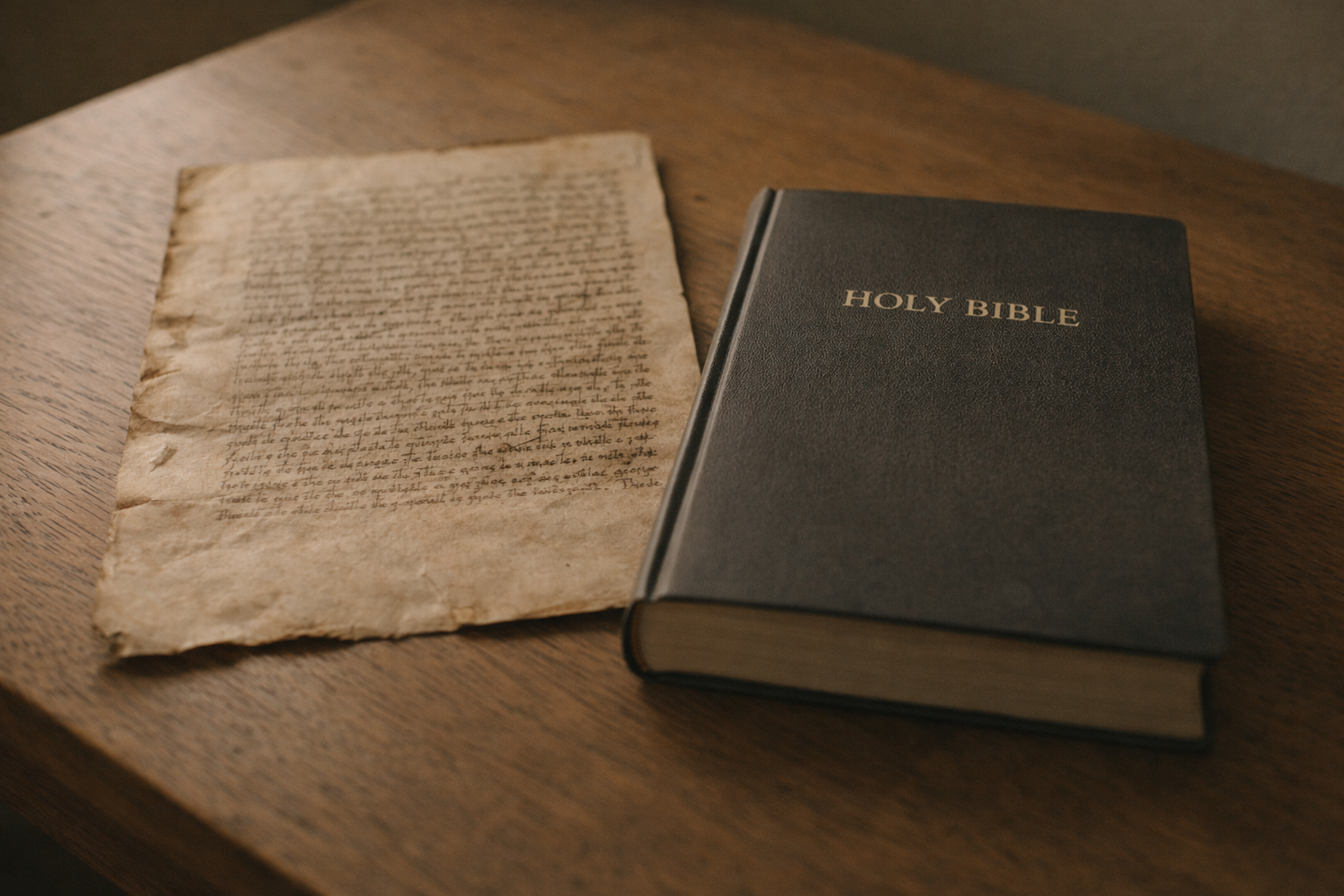
In this opening session of a new series, we consider how the Early Church read the Scriptures and why that way of reading still matters. Beginning with foundational assumptions—practice over theory, reading within the Church, and seeking communion with God Himself rather than mere head knowledge—the lesson introduces the fourfold pattern often called the quadriga. These four “horses” of interpretation (historical, Christological, moral, and eschatological) offer a framework for reading Scripture in a way that ultimately points us towards a fuller vision of Christ.
Last Sunday of Epiphany
Exodus 24:12-18
Psalm 99
Philippians 3:7-14
Matthew 17:1-9
What Is the Book of Common Prayer, and Where Did It Come From?

What is the Book of Common Prayer, and why is it central to Anglican worship? This edition of Ask the Church traces its origins to the English Reformation, when Thomas Cranmer translated and revised the Church’s liturgy into English so the people could fully participate. It explains how the Prayer Book preserves inherited Christian worship while rooting it deeply in Scripture. Listen to learn how praying in common shapes what we believe and how we live.
Fifth Sunday of Epiphany
2 Kings 22:8-20
Psalm 27
1 Corinthians 2
Matthew 5:13-20
What Is Substitutionary Atonement, and Why Is It Controversial?

What is substitutionary atonement, and why does it sometimes generate controversy among Christians today? This edition of Ask the Church explores the biblical meaning of Christ bearing our sins and clarifies common misunderstandings that portray the doctrine unfairly. We also learn how substitutionary atonement fits alongside other biblical images of salvation, rather than replacing them.
Fourth Sunday of Epiphany
Psalm 37:1-11
1 Corinthians 1:18-31
Matthew 5:1-12
Who Is Satan, and How Does He Tempt Us?

Who is Satan, and how does he tempt human beings? In this edition of Ask the Church, we explore a biblical understanding of Satan, emphasizing both the reality and the limits of his power. We learn how temptation most often works through deception rather than coercion, and why Christians need not live in fear.
Third Sunday of Epiphany
Amos 3:1-11
Psalm 139:1-18
1 Corinthians 1:10-17
Matthew 4:12-22
What Does It Mean to Be Made in the Image of God?

What does it mean to be made in the image of God? This edition of Ask the Church explores the biblical teaching that human dignity flows from God’s creative purpose, not from our abilities or achievements. The image of God is expressed through our relationships and responsibilities as we seek to faithfully represent God in the world.
A Kingdom of Priests: John’s Gospel and the Story of Exodus
In this special Sunday School lesson, we explore the Gospel of John as a retelling of the Exodus story. Tracing themes of deliverance, worship, living water, and new creation helps illuminate how John presents Jesus as the one who forms God’s people as His children. The discussion moves toward a reflection on the Church as a kingdom of priests, with forgiveness at the heart of Christian vocation, inviting us to read Scripture more attentively and to consider how these themes shape both faith and daily life.